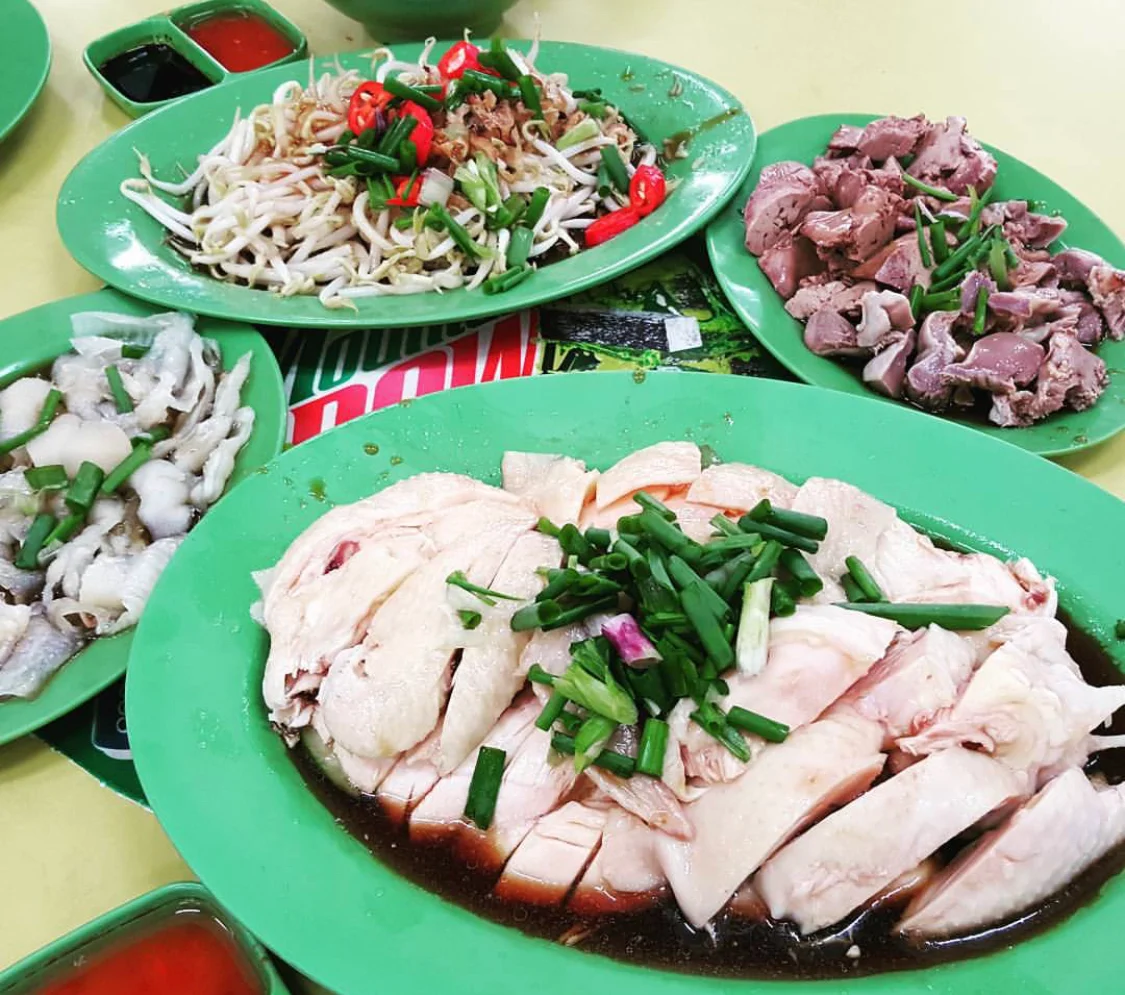
Hainanese chicken rice is more than just a dish – it’s a Singaporean icon. Its simplicity belies a complex history and a set of techniques that require years to master. At Ming Kee Chicken Rice , we honour this tradition in every plate we serve.
A Dish Born from Migration
The story of Hainanese chicken rice begins with the Hainanese immigrants who arrived in Singapore and Malaya in the early 20th century. They adapted their homeland’s “Wenchang chicken” – a dish of poached chicken served with rice – to local tastes. Using ingredients like pandan leaves and fragrant rice, they created what we now know as Singapore‑style chicken rice.
Unlike the Thai or Malaysian versions, our style emphasises clean, balanced flavours. The chicken is poached to a silky texture, the rice is cooked in rich stock, and the accompanying sauces – chilli, ginger, and dark soy – each play a supporting role.
The Technique: Poaching vs. Roasting
The two main styles – steamed (poached) and roasted – require different skills.
Steamed Chicken: The chicken is gently simmered in a large pot of stock flavoured with ginger, scallions, and sometimes chicken bones. The temperature must be carefully controlled so the meat cooks without boiling. After poaching, the chicken is plunged into an ice bath to stop the cooking process and tighten the skin, giving it that signature jelly‑like layer under the skin.
Roasted Chicken: A marinade of soy sauce, honey, and spices is rubbed into the chicken, which is then air‑dried before roasting. The skin becomes glossy and crisp, while the meat stays moist. The roasting process adds a smoky depth that pairs wonderfully with the fragrant rice.
The Rice: More Than a Side
The rice is arguably as important as the chicken. First, raw rice grains are washed and then stir‑fried with chicken fat, garlic, and ginger until aromatic. This step is crucial – it coats each grain with flavour before the liquid is added. The rice is then cooked not in water, but in the same rich chicken stock used for poaching. The result is a dish of rice that is fragrant, slightly oily, and delicious enough to eat on its own.
The Sauces: Balancing Flavours
Three sauces accompany the dish:
- Chilli Sauce: A blend of fresh chillies, ginger, garlic, lime juice, and a touch of sugar. It provides heat and acidity that cuts through the richness.
- Ginger Paste: Finely minced young ginger with a splash of chicken stock. It adds a mild, earthy warmth.
- Dark Soy Sauce: Thick, slightly sweet soy that adds colour and umami.
Together, they allow each diner to customise their plate – whether they prefer it spicy, gingery, or sweet.
Serving the Singaporean Way
A classic chicken rice set includes a portion of chicken (steamed or roasted), a bowl of fragrant rice, a bowl of clear soup (brewed from the same stock), and cucumber slices. The chicken is often served with a light drizzle of soy sauce and sesame oil.
At our stall, we also offer side dishes like beansprouts, vegetables, and chicken organs – each prepared with the same care.
Keeping the Tradition Alive
Today, Hainanese chicken rice is recognised as a UNESCO candidate dish, representing Singapore’s multicultural culinary heritage. For us, it’s a daily responsibility to uphold the techniques we learned from our elders. That means using fresh ingredients, never taking shortcuts, and constantly refining our process.
We’re proud to be part of this legacy. Every time we hear the sizzle of rice being fried, or the crack of a cleaver through crisp chicken skin, we’re reminded of the generations of hawkers who came before us. And when we see our customers smile with their first bite – that’s when we know the tradition lives on.
Experience the Art Yourself
We invite you to visit Ming Kee Chicken Rice and taste the difference that passion and tradition make. Whether you’re a long‑time fan or trying chicken rice for the first time, we promise you a plate that’s prepared with skill, served with pride, and steeped in Singapore’s hawker heritage.
Come hungry, leave happy.
No responses yet